
- Pipe
- Bridges & Structures
- Walls
- Stormwater Management
- Erosion Control
- Start a Project
- Knowledge Center
- Technical Documents
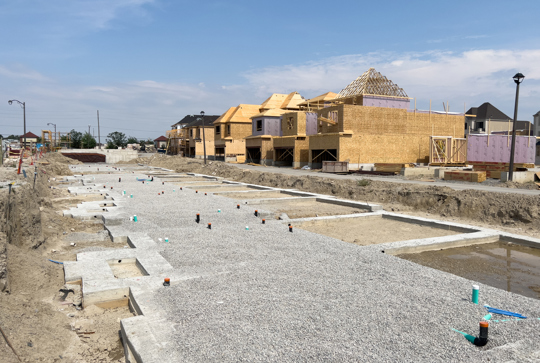
The recent Executive Order on housing affordability has reignited a familiar debate: are stormwater regulations driving up the cost of new homes? Critics argue that compliance adds thousands of dollars per unit with unclear benefit. Defenders respond that these requirements protect waterways, reduce flooding, and provide long-term value. Both perspectives contain truth—but neither fully addresses the underlying issue.
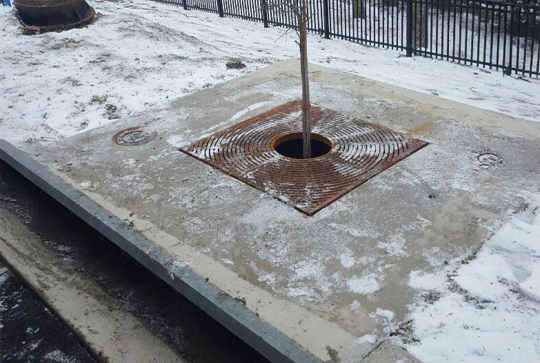
Biofiltration and bioretention systems are sometimes viewed skeptically in cold climates, where freezing temperatures, snow management, and deicing practices raise concerns about performance and durability. In practice, however, many biofiltration systems operate successfully in cold regions when they are designed with winter conditions in mind. The key is understanding potential cold-climate risks and mitigating them through thoughtful design, operation, and maintenance planning.

Stormwater runoff is a significant source of water pollution, carrying various pollutants from urban areas into natural water bodies. Most stormwater treatment efforts have focused on the capture of total suspended solids. Still, significant pollutant loads can be attributed to dissolved pollutants, such as heavy metals, nutrients, and organic compounds, which can have detrimental effects on aquatic ecosystems and public health.
SUBSCRIBE
The Stormwater Blog is featured on the Contech Site Solutions Newsletter. Get insights, news, tip & tricks delivered directly to your inbox.

